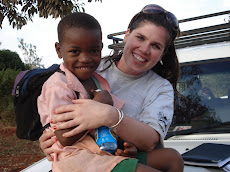
By John Kisimir
John Kisimir is a World Vision International relief communications expert from Kenya. He is currently based in Haiti.
The Haiti earthquake emergency intervention is proving to be one of the most challenging humanitarian situations in modern times.
Most humanitarian organizations are used to supporting major interventions in rural areas and rural communities do have functional social structures that make it easy to mobilize people thus making the business of giving aid much easier.
Haiti is different. Its city of Port-au-Prince is a fully packaged urban environment – from the suburbs to the sprawling slums of Cité Soleil. Its people are not peasant farmers whose lives have been spanned by a hurricane - some are professionals whose homes and jobs are no more. Some are families who lost a loved one they depended on. Some are folks who abandoned their homes - too scared to live under a concrete roof. Some are criminals who mugged and stole even before the earthquake. You can also count among these prisoners who walked to sweet freedom when the quake brought down some jails. Do not also forget unaffected people who pose as victims who attempt to receive free stuff – sad but true.
Aid agencies & the Military
It is one of those rare moments where aid agencies have embraced the support of the military in providing armed protection at aid distributions - an interesting combination of compassion and hard knuckles.
If you want to know how this combination is working, you should probably meet Dr. Debebe Dawit, a veteran aid worker for World Vision. His experience wraps up massive humanitarian interventions like the Asia Tsunami and others in Pakistan, the Southern Africa food crisis, Azerbaijan, Georgia, Russia, Angola, Rwanda and now Haiti.
He comes to Haiti with a heart and expertise to move things fast. Yet he sees the risks behind every makeshift camp in the city. Life is hard and residents are restless for all the suffering they are going through. Anything done wrong can cause distress and possibly a riot.
Today, he woke me up at 5:00 am to visit one camp to provide tents to those who do not have. The plan is to go early and make sure that only those who live in the camp get the help they need.
Working with UN peacekeepers to distribute aid
With a crew of 20 World Vision staff and United Nations peacekeepers from Nepal, we arrived at the sleepy camp. Some residents were sleeping in cars, while those who slept under the stars had started to stir.
As the peacekeepers took positions, World Vision staff swung into action putting a security barrier at the entrance of the camp. Leaders of the camp were quickly located and word was passed out from tent to tent. Sleepy camp residents started to come out holding coupons that were given through their leaders a few days ago. The elderly, the disabled and the sick got into line first. The young and the strong jostled for position at the end of a growing line.
A truck carrying the tents pulled over and the distribution starts. Hawk-eyed Dawit was busy giving instructions to his staff. Every detail in the process matters and no room for mistakes - from security to the recording of names on the register. The soldiers are on guard, stopping those without coupons outside the camp from getting into line. Often there are scuffles and arguments but the tension subsides once the beneficiaries realize that the process of sharing resources is transparent.
Humanitarian aid in Port-au-Prince is given with compassion and sometimes with hard knuckles.
“It is human nature to have conflict when in distress but my job is to make sure that those who deserve help get it. I must also keep the promise of that person who gave a one dollar donation to Haiti,” Dr. Dawit says.
Today’s distribution is over and another one is planned for tomorrow and the weeks and months to come.
Since the earthquake struck, World Vision with the support of the World Food Programme has given food aid to more than 864,000 people. None food items including 2,500 tents, 9,400 blankets, 11,400 cooking sets and 5,200 mosquito nets have reached 65,000 people in the camps to make life just a little bearable.
By John Kisimir
John Kisimir is a World Vision International relief communications expert from Kenya. He is currently based in Haiti.
The Haiti earthquake emergency intervention is proving to be one of the most challenging humanitarian situations in modern times.
Most humanitarian organizations are used to supporting major interventions in rural areas and rural communities do have functional social structures that make it easy to mobilize people thus making the business of giving aid much easier.
Haiti is different. Its city of Port-au-Prince is a fully packaged urban environment – from the suburbs to the sprawling slums of Cité Soleil. Its people are not peasant farmers whose lives have been spanned by a hurricane - some are professionals whose homes and jobs are no more. Some are families who lost a loved one they depended on. Some are folks who abandoned their homes - too scared to live under a concrete roof. Some are criminals who mugged and stole even before the earthquake. You can also count among these prisoners who walked to sweet freedom when the quake brought down some jails. Do not also forget unaffected people who pose as victims who attempt to receive free stuff – sad but true.
Aid agencies & the Military
It is one of those rare moments where aid agencies have embraced the support of the military in providing armed protection at aid distributions - an interesting combination of compassion and hard knuckles.
If you want to know how this combination is working, you should probably meet Dr. Debebe Dawit, a veteran aid worker for World Vision. His experience wraps up massive humanitarian interventions like the Asia Tsunami and others in Pakistan, the Southern Africa food crisis, Azerbaijan, Georgia, Russia, Angola, Rwanda and now Haiti.
He comes to Haiti with a heart and expertise to move things fast. Yet he sees the risks behind every makeshift camp in the city. Life is hard and residents are restless for all the suffering they are going through. Anything done wrong can cause distress and possibly a riot.
Today, he woke me up at 5:00 am to visit one camp to provide tents to those who do not have. The plan is to go early and make sure that only those who live in the camp get the help they need.
Working with UN peacekeepers to distribute aid
With a crew of 20 World Vision staff and United Nations peacekeepers from Nepal, we arrived at the sleepy camp. Some residents were sleeping in cars, while those who slept under the stars had started to stir.
As the peacekeepers took positions, World Vision staff swung into action putting a security barrier at the entrance of the camp. Leaders of the camp were quickly located and word was passed out from tent to tent. Sleepy camp residents started to come out holding coupons that were given through their leaders a few days ago. The elderly, the disabled and the sick got into line first. The young and the strong jostled for position at the end of a growing line.
A truck carrying the tents pulled over and the distribution starts. Hawk-eyed Dawit was busy giving instructions to his staff. Every detail in the process matters and no room for mistakes - from security to the recording of names on the register. The soldiers are on guard, stopping those without coupons outside the camp from getting into line. Often there are scuffles and arguments but the tension subsides once the beneficiaries realize that the process of sharing resources is transparent.
Humanitarian aid in Port-au-Prince is given with compassion and sometimes with hard knuckles.
“It is human nature to have conflict when in distress but my job is to make sure that those who deserve help get it. I must also keep the promise of that person who gave a one dollar donation to Haiti,” Dr. Dawit says.
Today’s distribution is over and another one is planned for tomorrow and the weeks and months to come.
Since the earthquake struck, World Vision with the support of the World Food Programme has given food aid to more than 864,000 people. None food items including 2,500 tents, 9,400 blankets, 11,400 cooking sets and 5,200 mosquito nets have reached 65,000 people in the camps to make life just a little bearable.
Showing posts with label relief. Show all posts
Showing posts with label relief. Show all posts
Thursday, March 18, 2010
Haiti: The challenge of aid work in an urban setting
Guest Blog from Haiti
 By John Kisimir
John Kisimir is a World Vision International relief communications expert from Kenya. He is currently based in Haiti.
The Haiti earthquake emergency intervention is proving to be one of the most challenging humanitarian situations in modern times.
Most humanitarian organizations are used to supporting major interventions in rural areas and rural communities do have functional social structures that make it easy to mobilize people thus making the business of giving aid much easier.
Haiti is different. Its city of Port-au-Prince is a fully packaged urban environment – from the suburbs to the sprawling slums of Cité Soleil. Its people are not peasant farmers whose lives have been spanned by a hurricane - some are professionals whose homes and jobs are no more. Some are families who lost a loved one they depended on. Some are folks who abandoned their homes - too scared to live under a concrete roof. Some are criminals who mugged and stole even before the earthquake. You can also count among these prisoners who walked to sweet freedom when the quake brought down some jails. Do not also forget unaffected people who pose as victims who attempt to receive free stuff – sad but true.
Aid agencies & the Military
It is one of those rare moments where aid agencies have embraced the support of the military in providing armed protection at aid distributions - an interesting combination of compassion and hard knuckles.
If you want to know how this combination is working, you should probably meet Dr. Debebe Dawit, a veteran aid worker for World Vision. His experience wraps up massive humanitarian interventions like the Asia Tsunami and others in Pakistan, the Southern Africa food crisis, Azerbaijan, Georgia, Russia, Angola, Rwanda and now Haiti.
He comes to Haiti with a heart and expertise to move things fast. Yet he sees the risks behind every makeshift camp in the city. Life is hard and residents are restless for all the suffering they are going through. Anything done wrong can cause distress and possibly a riot.
Today, he woke me up at 5:00 am to visit one camp to provide tents to those who do not have. The plan is to go early and make sure that only those who live in the camp get the help they need.
Working with UN peacekeepers to distribute aid
With a crew of 20 World Vision staff and United Nations peacekeepers from Nepal, we arrived at the sleepy camp. Some residents were sleeping in cars, while those who slept under the stars had started to stir.
As the peacekeepers took positions, World Vision staff swung into action putting a security barrier at the entrance of the camp. Leaders of the camp were quickly located and word was passed out from tent to tent. Sleepy camp residents started to come out holding coupons that were given through their leaders a few days ago. The elderly, the disabled and the sick got into line first. The young and the strong jostled for position at the end of a growing line.
A truck carrying the tents pulled over and the distribution starts. Hawk-eyed Dawit was busy giving instructions to his staff. Every detail in the process matters and no room for mistakes - from security to the recording of names on the register. The soldiers are on guard, stopping those without coupons outside the camp from getting into line. Often there are scuffles and arguments but the tension subsides once the beneficiaries realize that the process of sharing resources is transparent.
Humanitarian aid in Port-au-Prince is given with compassion and sometimes with hard knuckles.
“It is human nature to have conflict when in distress but my job is to make sure that those who deserve help get it. I must also keep the promise of that person who gave a one dollar donation to Haiti,” Dr. Dawit says.
Today’s distribution is over and another one is planned for tomorrow and the weeks and months to come.
Since the earthquake struck, World Vision with the support of the World Food Programme has given food aid to more than 864,000 people. None food items including 2,500 tents, 9,400 blankets, 11,400 cooking sets and 5,200 mosquito nets have reached 65,000 people in the camps to make life just a little bearable.
By John Kisimir
John Kisimir is a World Vision International relief communications expert from Kenya. He is currently based in Haiti.
The Haiti earthquake emergency intervention is proving to be one of the most challenging humanitarian situations in modern times.
Most humanitarian organizations are used to supporting major interventions in rural areas and rural communities do have functional social structures that make it easy to mobilize people thus making the business of giving aid much easier.
Haiti is different. Its city of Port-au-Prince is a fully packaged urban environment – from the suburbs to the sprawling slums of Cité Soleil. Its people are not peasant farmers whose lives have been spanned by a hurricane - some are professionals whose homes and jobs are no more. Some are families who lost a loved one they depended on. Some are folks who abandoned their homes - too scared to live under a concrete roof. Some are criminals who mugged and stole even before the earthquake. You can also count among these prisoners who walked to sweet freedom when the quake brought down some jails. Do not also forget unaffected people who pose as victims who attempt to receive free stuff – sad but true.
Aid agencies & the Military
It is one of those rare moments where aid agencies have embraced the support of the military in providing armed protection at aid distributions - an interesting combination of compassion and hard knuckles.
If you want to know how this combination is working, you should probably meet Dr. Debebe Dawit, a veteran aid worker for World Vision. His experience wraps up massive humanitarian interventions like the Asia Tsunami and others in Pakistan, the Southern Africa food crisis, Azerbaijan, Georgia, Russia, Angola, Rwanda and now Haiti.
He comes to Haiti with a heart and expertise to move things fast. Yet he sees the risks behind every makeshift camp in the city. Life is hard and residents are restless for all the suffering they are going through. Anything done wrong can cause distress and possibly a riot.
Today, he woke me up at 5:00 am to visit one camp to provide tents to those who do not have. The plan is to go early and make sure that only those who live in the camp get the help they need.
Working with UN peacekeepers to distribute aid
With a crew of 20 World Vision staff and United Nations peacekeepers from Nepal, we arrived at the sleepy camp. Some residents were sleeping in cars, while those who slept under the stars had started to stir.
As the peacekeepers took positions, World Vision staff swung into action putting a security barrier at the entrance of the camp. Leaders of the camp were quickly located and word was passed out from tent to tent. Sleepy camp residents started to come out holding coupons that were given through their leaders a few days ago. The elderly, the disabled and the sick got into line first. The young and the strong jostled for position at the end of a growing line.
A truck carrying the tents pulled over and the distribution starts. Hawk-eyed Dawit was busy giving instructions to his staff. Every detail in the process matters and no room for mistakes - from security to the recording of names on the register. The soldiers are on guard, stopping those without coupons outside the camp from getting into line. Often there are scuffles and arguments but the tension subsides once the beneficiaries realize that the process of sharing resources is transparent.
Humanitarian aid in Port-au-Prince is given with compassion and sometimes with hard knuckles.
“It is human nature to have conflict when in distress but my job is to make sure that those who deserve help get it. I must also keep the promise of that person who gave a one dollar donation to Haiti,” Dr. Dawit says.
Today’s distribution is over and another one is planned for tomorrow and the weeks and months to come.
Since the earthquake struck, World Vision with the support of the World Food Programme has given food aid to more than 864,000 people. None food items including 2,500 tents, 9,400 blankets, 11,400 cooking sets and 5,200 mosquito nets have reached 65,000 people in the camps to make life just a little bearable.
By John Kisimir
John Kisimir is a World Vision International relief communications expert from Kenya. He is currently based in Haiti.
The Haiti earthquake emergency intervention is proving to be one of the most challenging humanitarian situations in modern times.
Most humanitarian organizations are used to supporting major interventions in rural areas and rural communities do have functional social structures that make it easy to mobilize people thus making the business of giving aid much easier.
Haiti is different. Its city of Port-au-Prince is a fully packaged urban environment – from the suburbs to the sprawling slums of Cité Soleil. Its people are not peasant farmers whose lives have been spanned by a hurricane - some are professionals whose homes and jobs are no more. Some are families who lost a loved one they depended on. Some are folks who abandoned their homes - too scared to live under a concrete roof. Some are criminals who mugged and stole even before the earthquake. You can also count among these prisoners who walked to sweet freedom when the quake brought down some jails. Do not also forget unaffected people who pose as victims who attempt to receive free stuff – sad but true.
Aid agencies & the Military
It is one of those rare moments where aid agencies have embraced the support of the military in providing armed protection at aid distributions - an interesting combination of compassion and hard knuckles.
If you want to know how this combination is working, you should probably meet Dr. Debebe Dawit, a veteran aid worker for World Vision. His experience wraps up massive humanitarian interventions like the Asia Tsunami and others in Pakistan, the Southern Africa food crisis, Azerbaijan, Georgia, Russia, Angola, Rwanda and now Haiti.
He comes to Haiti with a heart and expertise to move things fast. Yet he sees the risks behind every makeshift camp in the city. Life is hard and residents are restless for all the suffering they are going through. Anything done wrong can cause distress and possibly a riot.
Today, he woke me up at 5:00 am to visit one camp to provide tents to those who do not have. The plan is to go early and make sure that only those who live in the camp get the help they need.
Working with UN peacekeepers to distribute aid
With a crew of 20 World Vision staff and United Nations peacekeepers from Nepal, we arrived at the sleepy camp. Some residents were sleeping in cars, while those who slept under the stars had started to stir.
As the peacekeepers took positions, World Vision staff swung into action putting a security barrier at the entrance of the camp. Leaders of the camp were quickly located and word was passed out from tent to tent. Sleepy camp residents started to come out holding coupons that were given through their leaders a few days ago. The elderly, the disabled and the sick got into line first. The young and the strong jostled for position at the end of a growing line.
A truck carrying the tents pulled over and the distribution starts. Hawk-eyed Dawit was busy giving instructions to his staff. Every detail in the process matters and no room for mistakes - from security to the recording of names on the register. The soldiers are on guard, stopping those without coupons outside the camp from getting into line. Often there are scuffles and arguments but the tension subsides once the beneficiaries realize that the process of sharing resources is transparent.
Humanitarian aid in Port-au-Prince is given with compassion and sometimes with hard knuckles.
“It is human nature to have conflict when in distress but my job is to make sure that those who deserve help get it. I must also keep the promise of that person who gave a one dollar donation to Haiti,” Dr. Dawit says.
Today’s distribution is over and another one is planned for tomorrow and the weeks and months to come.
Since the earthquake struck, World Vision with the support of the World Food Programme has given food aid to more than 864,000 people. None food items including 2,500 tents, 9,400 blankets, 11,400 cooking sets and 5,200 mosquito nets have reached 65,000 people in the camps to make life just a little bearable.

Wednesday, February 24, 2010
Giving birth in Haiti camp – Aid worker’s diary
Guest Blog from Haiti
 Fiona Perry works as a health advisor for World Vision
On hearing the rain in the morning, I hoped it was someone showering in the next room, but Port-au-Prince had been soaked through.
Whenever I do assessments in my line of work I always say it’s important to use all your senses – eyes, ears and smell especially. So I lay in bed visualising what the temporary camps would be like this morning.
Not only do have families need to put up with the cramped conditions of living in a tiny 6ft by 6ft square space, covered with sheets, blankets or sometimes some plastic sheeting held up by makeshift poles, they now have to battle the rain.
Health needs
I have been in Haiti for a month, helping to address the health, hygiene and nutrition needs of people affected by the January earthquake. World Vision is working in eight camps in the capital, all filled with thousands of people whose homes were destroyed and who have nowhere else to go.
A few days ago, I had an experience that helped me to remember why I am here.
On a camp visit, I walked through the labyrinth of narrow pathways around a piece of land perhaps the size of a tennis court, which is home to around 200 families. Here, World Vision has provided people with heavy-duty plastic sheeting, mosquito nets and cooking sets.
It was good to see that each house had a plastic sheet and most have made every effort to make their hut a home.
An entrepreneur had established a kiosk selling fruit, condensed milk, sugar and spices. A few of the children were having their afternoon wash.
Birth
I was called over to a hut where a woman was lying on a plastic sheet on the ground, having given birth to a baby boy only minutes before.
New to the camp, she had very little in her home made from four sticks and some bed sheets.
A nurse who happened to be in the camp had helped to deliver the baby but had run out of equipment. She needed some more gloves and was out of plastic sheets.
There was no sign of any of the comforts that we in the West take for granted – a soft mattress, a pillow, some soothing background music or someone to hold your hand. This mother was enduring a complicated birth.
Delivery pack
The week before, I had been at the same camp distributing clean delivery packs to pregnant mothers, so I asked the camp leader to get a pack from one of the mothers.
Rather than demonstrating, as I usually do, I took out the clean gloves, plastic sheet and piece of material from the emergency kit and helped the nurse with the mother’s prolapsed uterus.
We both agreed she needed to go to hospital. Her new baby was wrapped in a towel and we helped her to walk to the car.
At the busy city hospital, a doctor examined her before telling us he had nowhere to live. I am constantly shocked at how everyone has been affected by this disaster.
When I went home that evening and felt tempted to complain about the lack of electricity, or that I have to eat the same food every day (rice and beans mostly), that there is no light in the bathroom or that I have to have a cold shower every morning, I stopped myself. One day with those affected by the earthquake and my struggles seemed very small indeed.
Fiona Perry works as a health advisor for World Vision
On hearing the rain in the morning, I hoped it was someone showering in the next room, but Port-au-Prince had been soaked through.
Whenever I do assessments in my line of work I always say it’s important to use all your senses – eyes, ears and smell especially. So I lay in bed visualising what the temporary camps would be like this morning.
Not only do have families need to put up with the cramped conditions of living in a tiny 6ft by 6ft square space, covered with sheets, blankets or sometimes some plastic sheeting held up by makeshift poles, they now have to battle the rain.
Health needs
I have been in Haiti for a month, helping to address the health, hygiene and nutrition needs of people affected by the January earthquake. World Vision is working in eight camps in the capital, all filled with thousands of people whose homes were destroyed and who have nowhere else to go.
A few days ago, I had an experience that helped me to remember why I am here.
On a camp visit, I walked through the labyrinth of narrow pathways around a piece of land perhaps the size of a tennis court, which is home to around 200 families. Here, World Vision has provided people with heavy-duty plastic sheeting, mosquito nets and cooking sets.
It was good to see that each house had a plastic sheet and most have made every effort to make their hut a home.
An entrepreneur had established a kiosk selling fruit, condensed milk, sugar and spices. A few of the children were having their afternoon wash.
Birth
I was called over to a hut where a woman was lying on a plastic sheet on the ground, having given birth to a baby boy only minutes before.
New to the camp, she had very little in her home made from four sticks and some bed sheets.
A nurse who happened to be in the camp had helped to deliver the baby but had run out of equipment. She needed some more gloves and was out of plastic sheets.
There was no sign of any of the comforts that we in the West take for granted – a soft mattress, a pillow, some soothing background music or someone to hold your hand. This mother was enduring a complicated birth.
Delivery pack
The week before, I had been at the same camp distributing clean delivery packs to pregnant mothers, so I asked the camp leader to get a pack from one of the mothers.
Rather than demonstrating, as I usually do, I took out the clean gloves, plastic sheet and piece of material from the emergency kit and helped the nurse with the mother’s prolapsed uterus.
We both agreed she needed to go to hospital. Her new baby was wrapped in a towel and we helped her to walk to the car.
At the busy city hospital, a doctor examined her before telling us he had nowhere to live. I am constantly shocked at how everyone has been affected by this disaster.
When I went home that evening and felt tempted to complain about the lack of electricity, or that I have to eat the same food every day (rice and beans mostly), that there is no light in the bathroom or that I have to have a cold shower every morning, I stopped myself. One day with those affected by the earthquake and my struggles seemed very small indeed.
 Fiona Perry works as a health advisor for World Vision
On hearing the rain in the morning, I hoped it was someone showering in the next room, but Port-au-Prince had been soaked through.
Whenever I do assessments in my line of work I always say it’s important to use all your senses – eyes, ears and smell especially. So I lay in bed visualising what the temporary camps would be like this morning.
Not only do have families need to put up with the cramped conditions of living in a tiny 6ft by 6ft square space, covered with sheets, blankets or sometimes some plastic sheeting held up by makeshift poles, they now have to battle the rain.
Health needs
I have been in Haiti for a month, helping to address the health, hygiene and nutrition needs of people affected by the January earthquake. World Vision is working in eight camps in the capital, all filled with thousands of people whose homes were destroyed and who have nowhere else to go.
A few days ago, I had an experience that helped me to remember why I am here.
On a camp visit, I walked through the labyrinth of narrow pathways around a piece of land perhaps the size of a tennis court, which is home to around 200 families. Here, World Vision has provided people with heavy-duty plastic sheeting, mosquito nets and cooking sets.
It was good to see that each house had a plastic sheet and most have made every effort to make their hut a home.
An entrepreneur had established a kiosk selling fruit, condensed milk, sugar and spices. A few of the children were having their afternoon wash.
Birth
I was called over to a hut where a woman was lying on a plastic sheet on the ground, having given birth to a baby boy only minutes before.
New to the camp, she had very little in her home made from four sticks and some bed sheets.
A nurse who happened to be in the camp had helped to deliver the baby but had run out of equipment. She needed some more gloves and was out of plastic sheets.
There was no sign of any of the comforts that we in the West take for granted – a soft mattress, a pillow, some soothing background music or someone to hold your hand. This mother was enduring a complicated birth.
Delivery pack
The week before, I had been at the same camp distributing clean delivery packs to pregnant mothers, so I asked the camp leader to get a pack from one of the mothers.
Rather than demonstrating, as I usually do, I took out the clean gloves, plastic sheet and piece of material from the emergency kit and helped the nurse with the mother’s prolapsed uterus.
We both agreed she needed to go to hospital. Her new baby was wrapped in a towel and we helped her to walk to the car.
At the busy city hospital, a doctor examined her before telling us he had nowhere to live. I am constantly shocked at how everyone has been affected by this disaster.
When I went home that evening and felt tempted to complain about the lack of electricity, or that I have to eat the same food every day (rice and beans mostly), that there is no light in the bathroom or that I have to have a cold shower every morning, I stopped myself. One day with those affected by the earthquake and my struggles seemed very small indeed.
Fiona Perry works as a health advisor for World Vision
On hearing the rain in the morning, I hoped it was someone showering in the next room, but Port-au-Prince had been soaked through.
Whenever I do assessments in my line of work I always say it’s important to use all your senses – eyes, ears and smell especially. So I lay in bed visualising what the temporary camps would be like this morning.
Not only do have families need to put up with the cramped conditions of living in a tiny 6ft by 6ft square space, covered with sheets, blankets or sometimes some plastic sheeting held up by makeshift poles, they now have to battle the rain.
Health needs
I have been in Haiti for a month, helping to address the health, hygiene and nutrition needs of people affected by the January earthquake. World Vision is working in eight camps in the capital, all filled with thousands of people whose homes were destroyed and who have nowhere else to go.
A few days ago, I had an experience that helped me to remember why I am here.
On a camp visit, I walked through the labyrinth of narrow pathways around a piece of land perhaps the size of a tennis court, which is home to around 200 families. Here, World Vision has provided people with heavy-duty plastic sheeting, mosquito nets and cooking sets.
It was good to see that each house had a plastic sheet and most have made every effort to make their hut a home.
An entrepreneur had established a kiosk selling fruit, condensed milk, sugar and spices. A few of the children were having their afternoon wash.
Birth
I was called over to a hut where a woman was lying on a plastic sheet on the ground, having given birth to a baby boy only minutes before.
New to the camp, she had very little in her home made from four sticks and some bed sheets.
A nurse who happened to be in the camp had helped to deliver the baby but had run out of equipment. She needed some more gloves and was out of plastic sheets.
There was no sign of any of the comforts that we in the West take for granted – a soft mattress, a pillow, some soothing background music or someone to hold your hand. This mother was enduring a complicated birth.
Delivery pack
The week before, I had been at the same camp distributing clean delivery packs to pregnant mothers, so I asked the camp leader to get a pack from one of the mothers.
Rather than demonstrating, as I usually do, I took out the clean gloves, plastic sheet and piece of material from the emergency kit and helped the nurse with the mother’s prolapsed uterus.
We both agreed she needed to go to hospital. Her new baby was wrapped in a towel and we helped her to walk to the car.
At the busy city hospital, a doctor examined her before telling us he had nowhere to live. I am constantly shocked at how everyone has been affected by this disaster.
When I went home that evening and felt tempted to complain about the lack of electricity, or that I have to eat the same food every day (rice and beans mostly), that there is no light in the bathroom or that I have to have a cold shower every morning, I stopped myself. One day with those affected by the earthquake and my struggles seemed very small indeed.
Wednesday, February 10, 2010
Hugh Jackman speaks out for the people of Haiti
Hugh Jackman, actor and World Vision ambassador, speaks out for the people of Haiti, whose lives have been devastated by the earthquake which struck on Jan 12th 2010.
Subscribe to:
Posts (Atom)